Louis Kahn
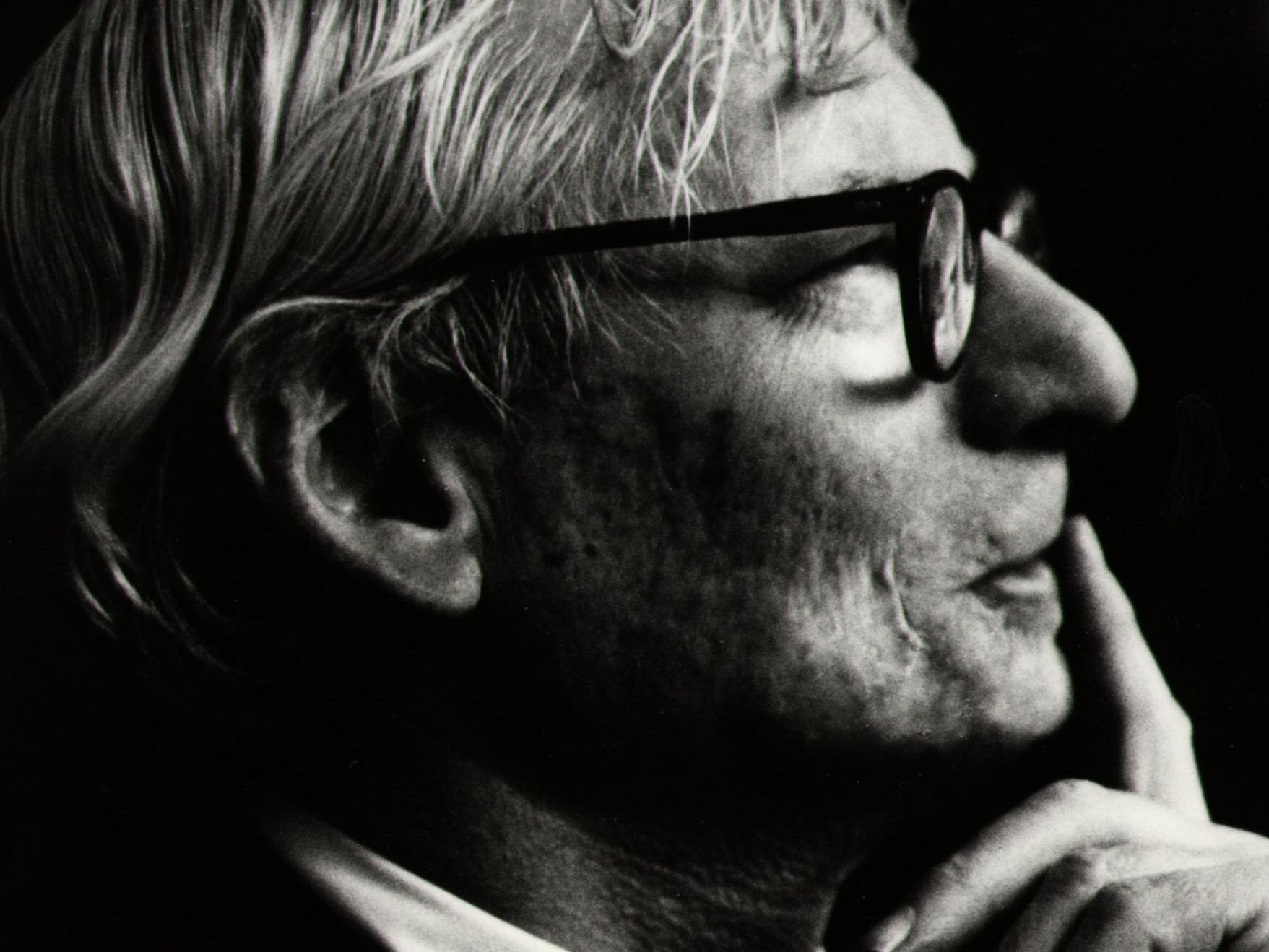
The balance between work and life is a struggle felt by all in the modern world. We’re sold narratives of genius and relentless dedication leading to “success,” held up as shining examples of how to live. But here’s the rub: being human means that life has a knack for imposing its own sense of balance, often in ways we don’t anticipate. After peeling back the layers on the lives of the Henry Fords and Steve Jobs of the world, we’re left contemplating—was the juice worth the squeeze? Did their contributions to society justify the personal sacrifices they made—or compelled others to make? Was it the work of a well intentioned martyr, or a narcissistic manipulative tyrant?
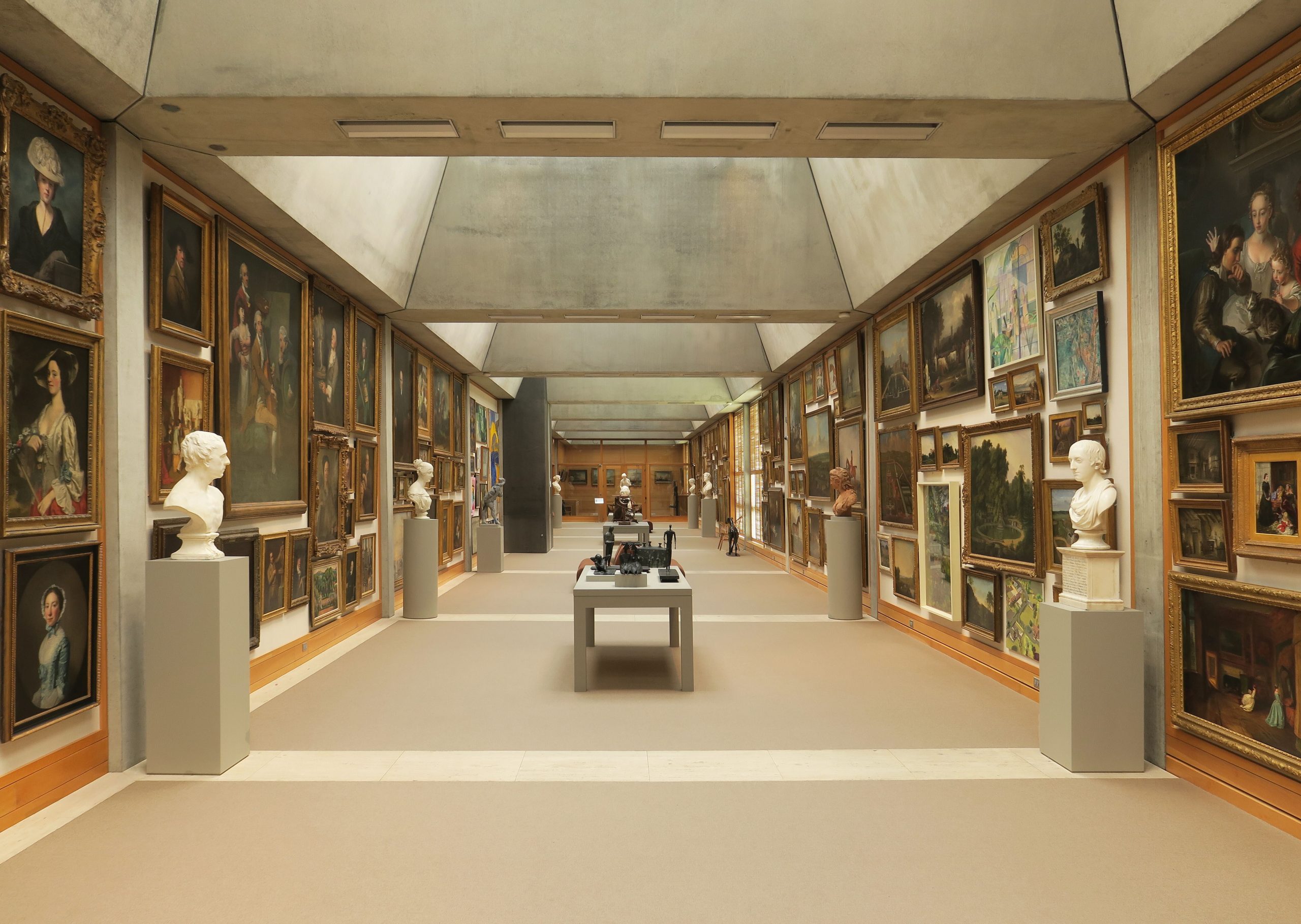
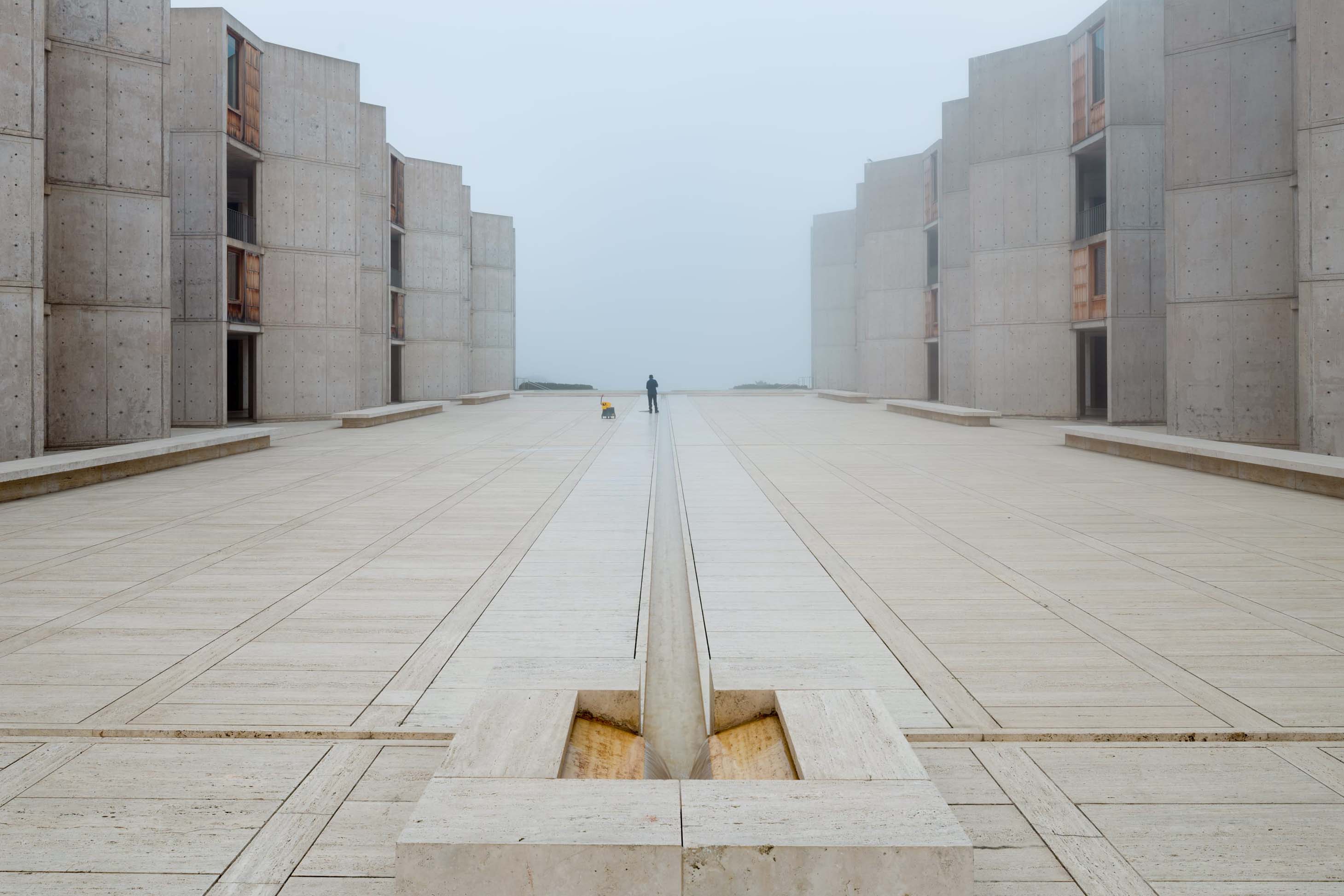
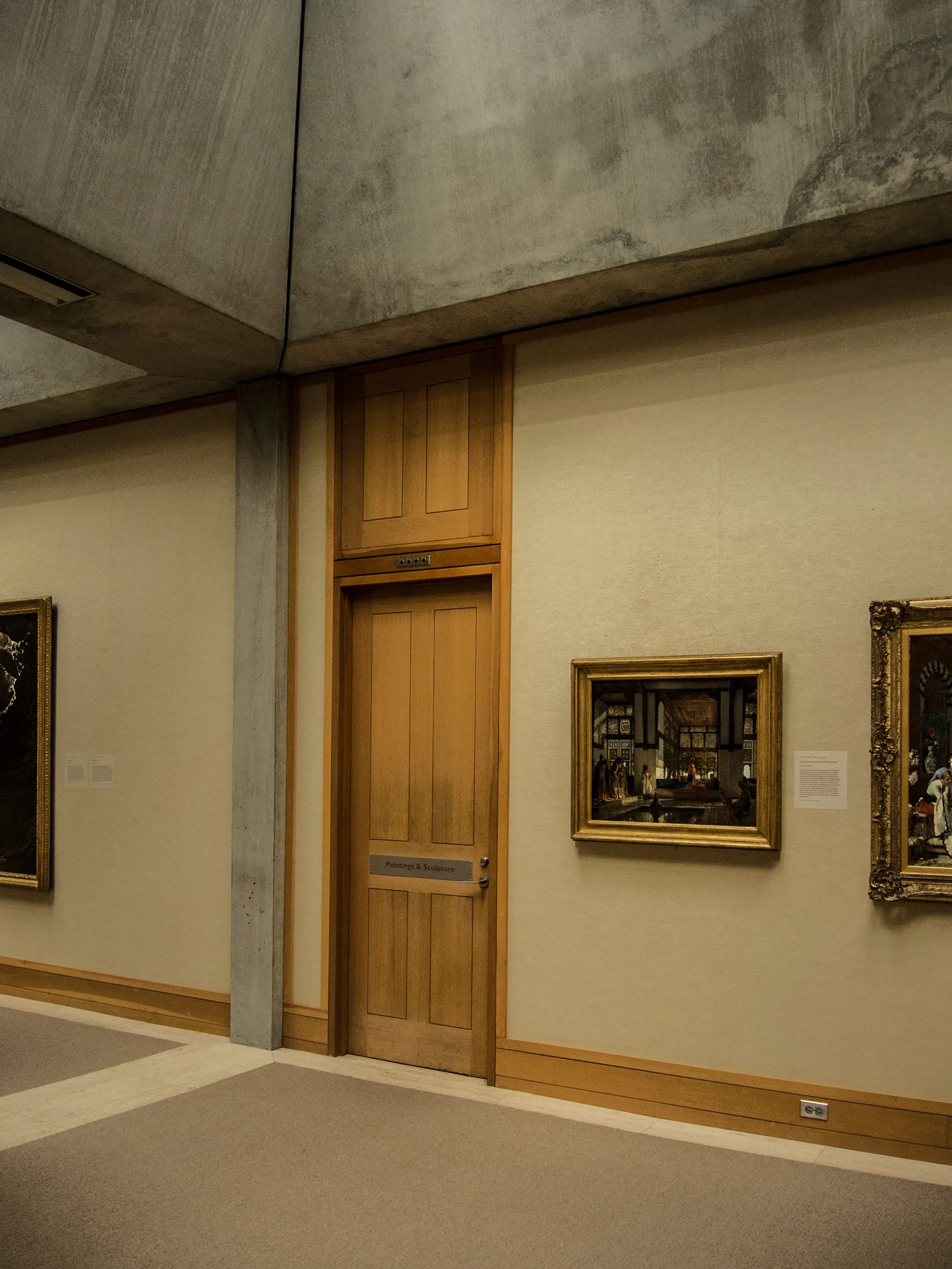
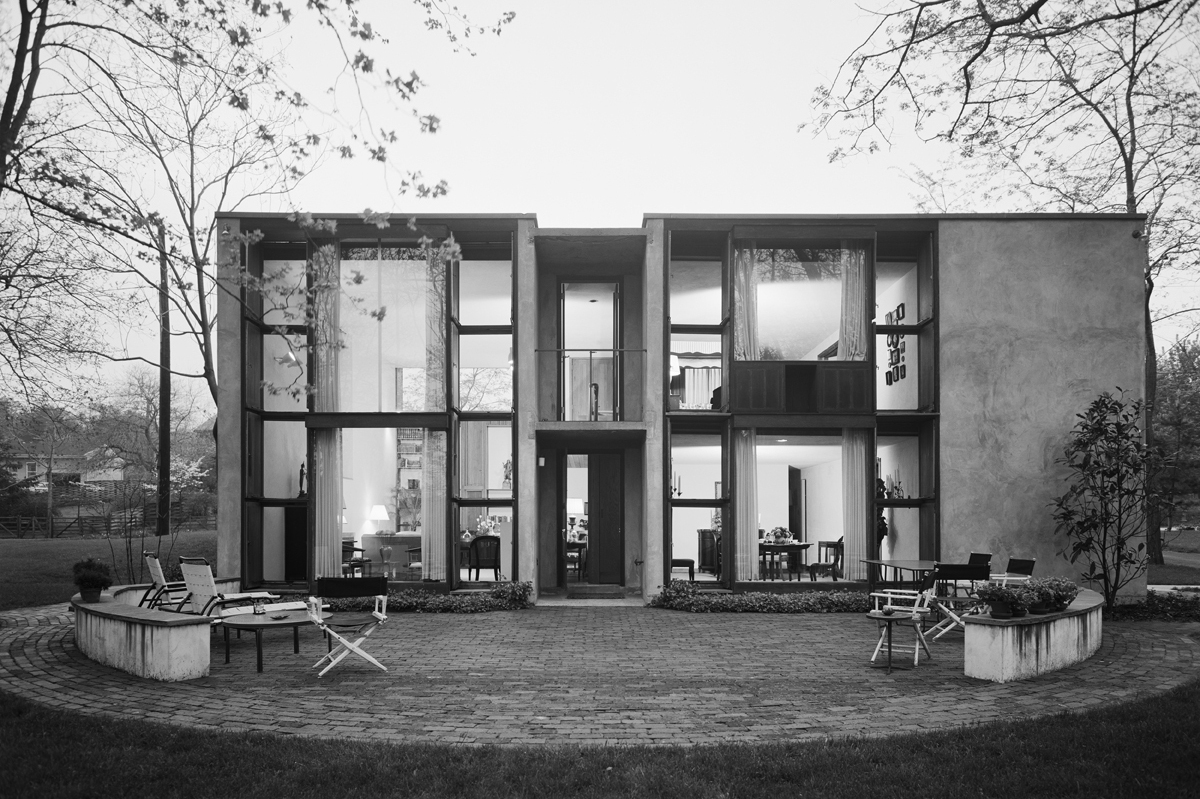
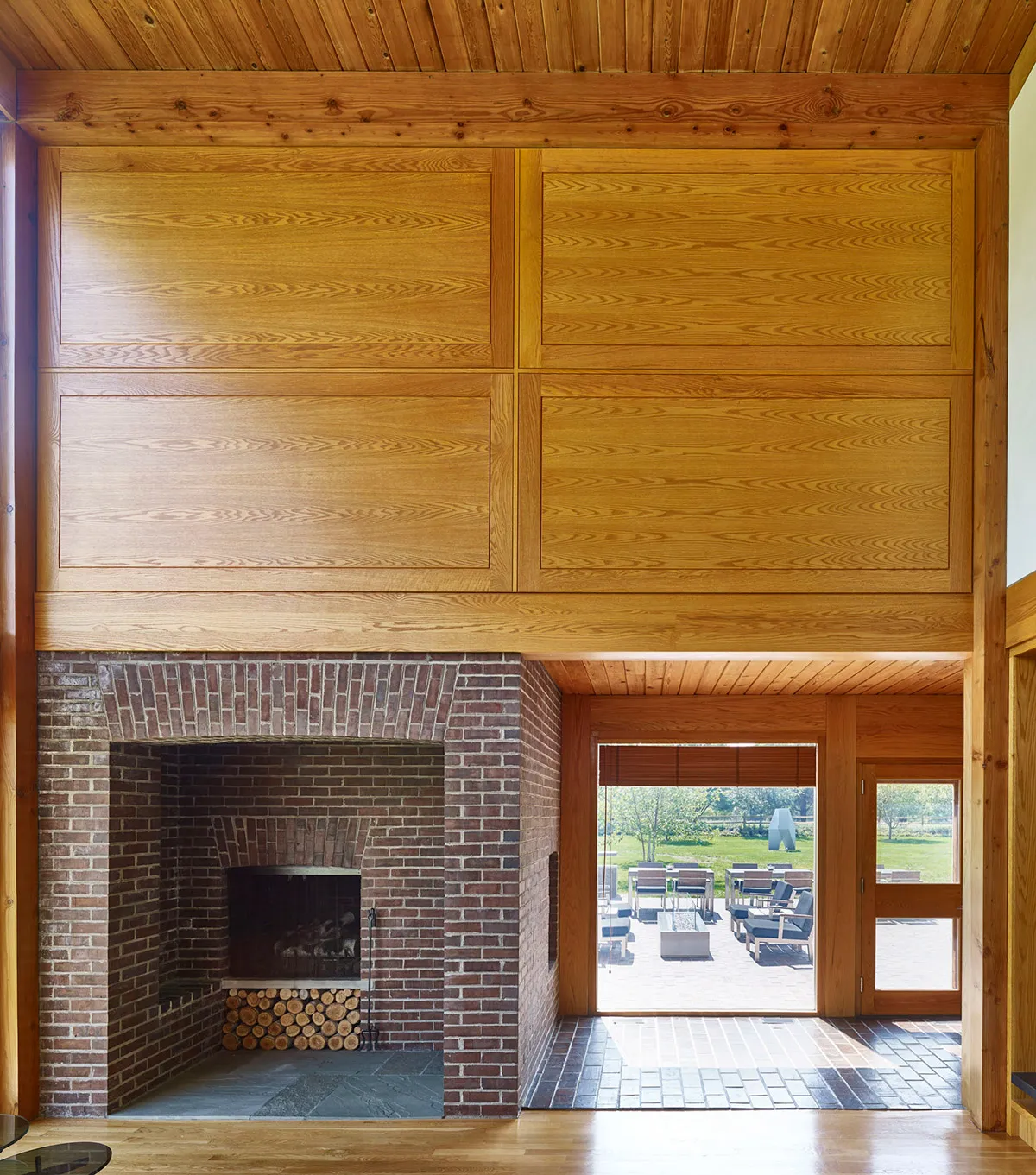
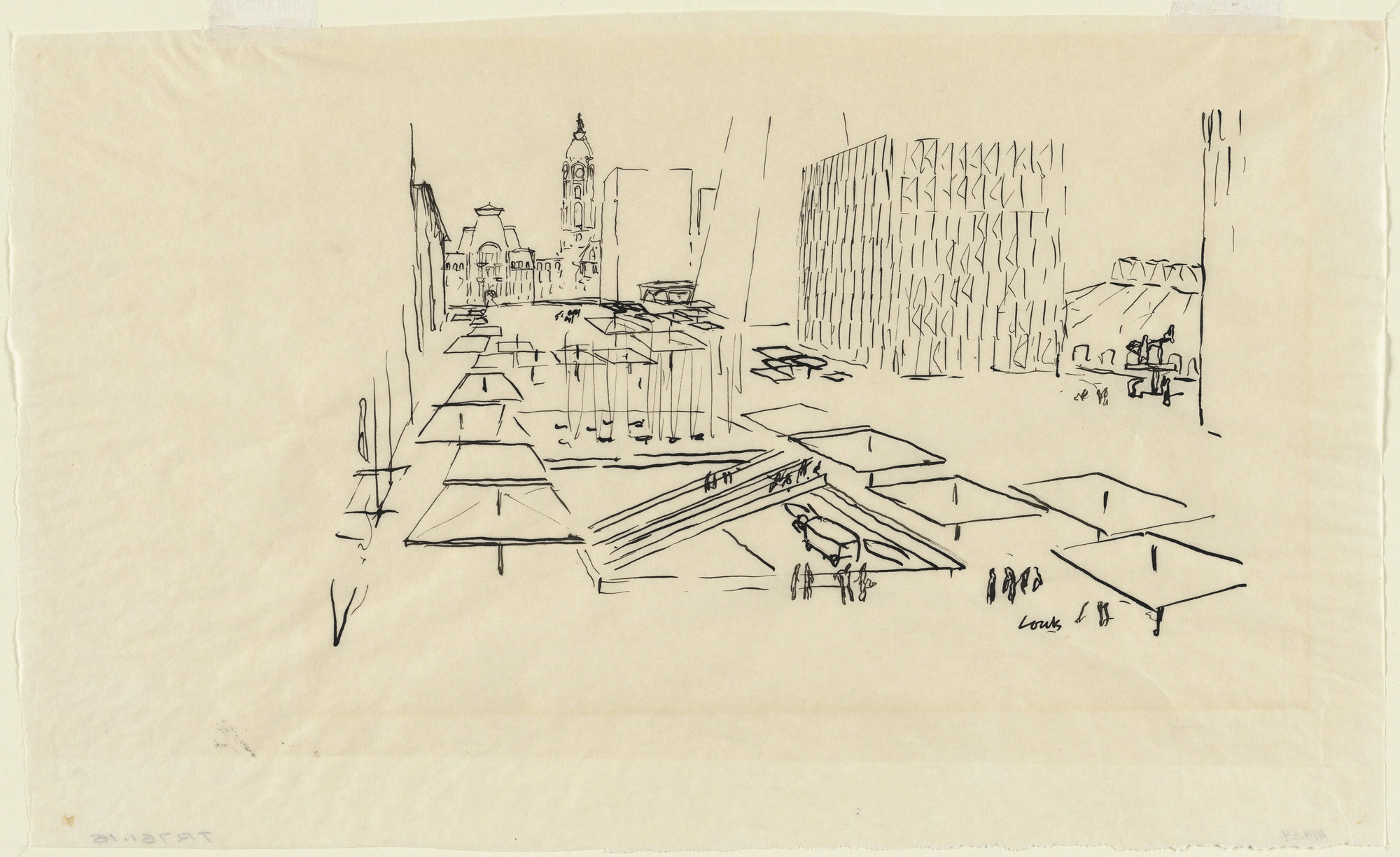
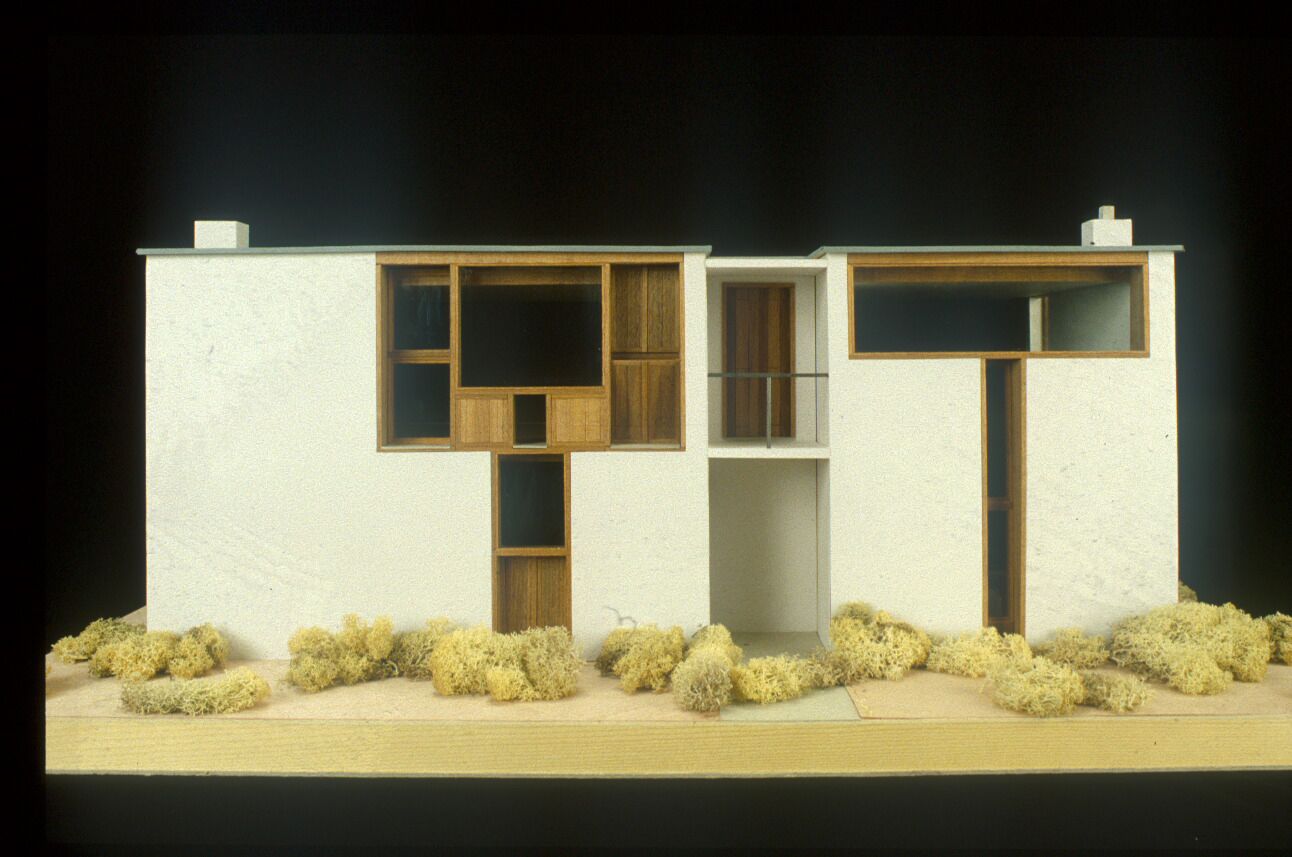
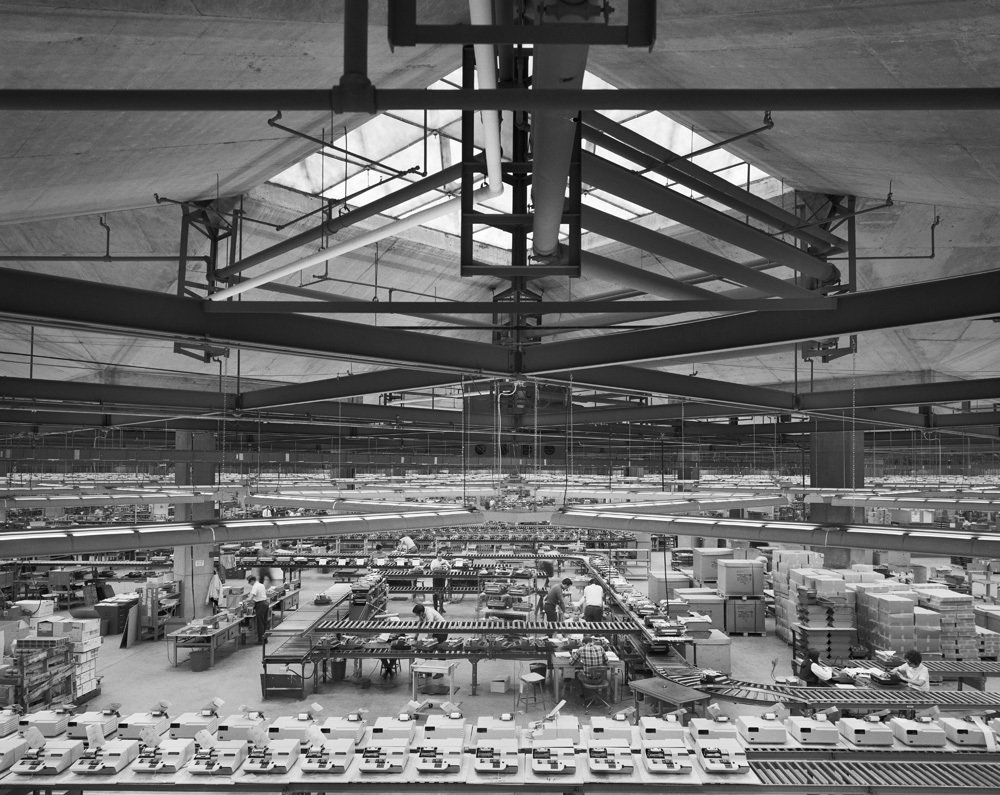
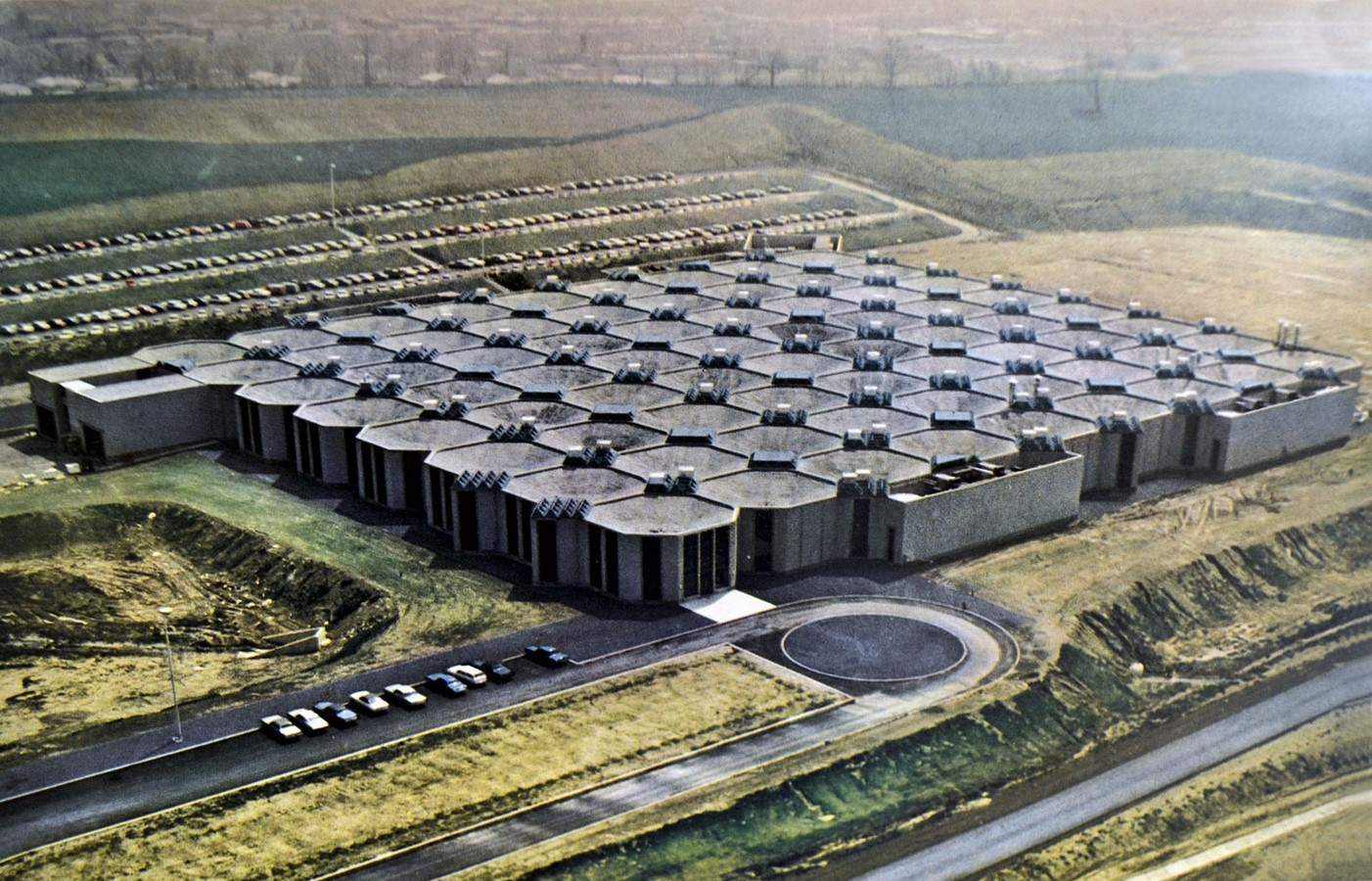
Louis Kahn stands as a towering figure in modern architecture, a luminary whose innovative works have left an indelible imprint on the architectural landscape. Born in Estonia in 1901 before immigrating to the United States, Kahn’s prolific career spanned several decades of relentless creativity. He didn’t just embrace the principles of modernism and geometric purity; he seamlessly fused them with a profound understanding of how space can profoundly affect the human experience. With a masterful command of light and materiality, his work reflects a meticulous attention to detail and an unwavering commitment to the emotive power of architecture. In a world that often reduces buildings to mere utility, Kahn elevated them to places of introspection and awe, reminding us that architecture isn’t just about structures—it’s about shaping the very way we interact with the world around us.
Louis Kahn stands as a towering figure in modern architecture, a luminary whose innovative works have left an indelible imprint on the architectural landscape. Born in Estonia in 1901 before immigrating to the United States, Kahn’s prolific career spanned several decades of relentless creativity. He didn’t just embrace the principles of modernism and geometric purity; he seamlessly fused them with a profound understanding of how space can profoundly affect the human experience. With a masterful command of light and materiality, his work reflects a meticulous attention to detail and an unwavering commitment to the emotive power of architecture. In a world that often reduces buildings to mere utility, Kahn elevated them to places of introspection and awe, reminding us that architecture isn’t just about structures—it’s about shaping the very way we interact with the world around us.
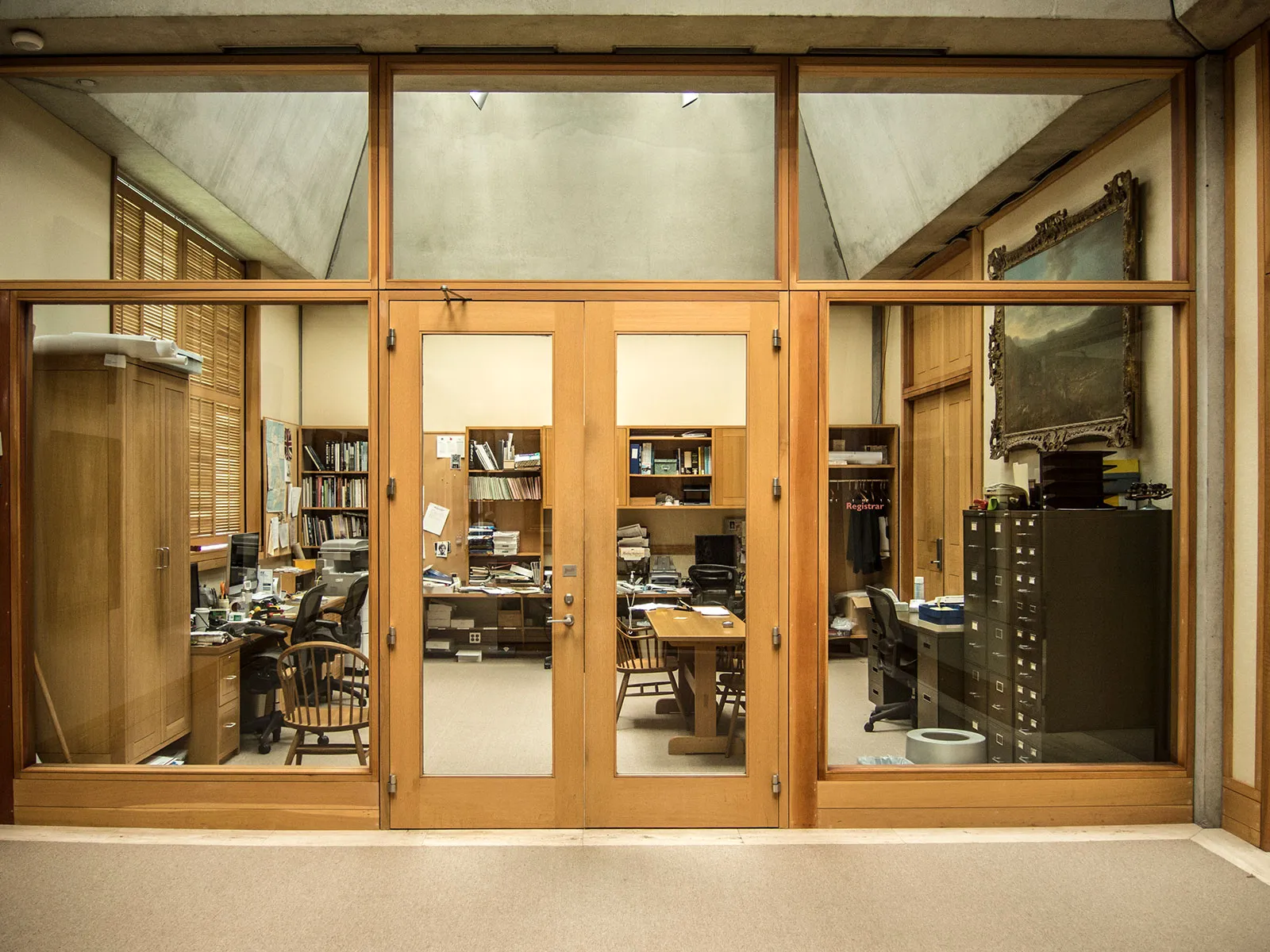
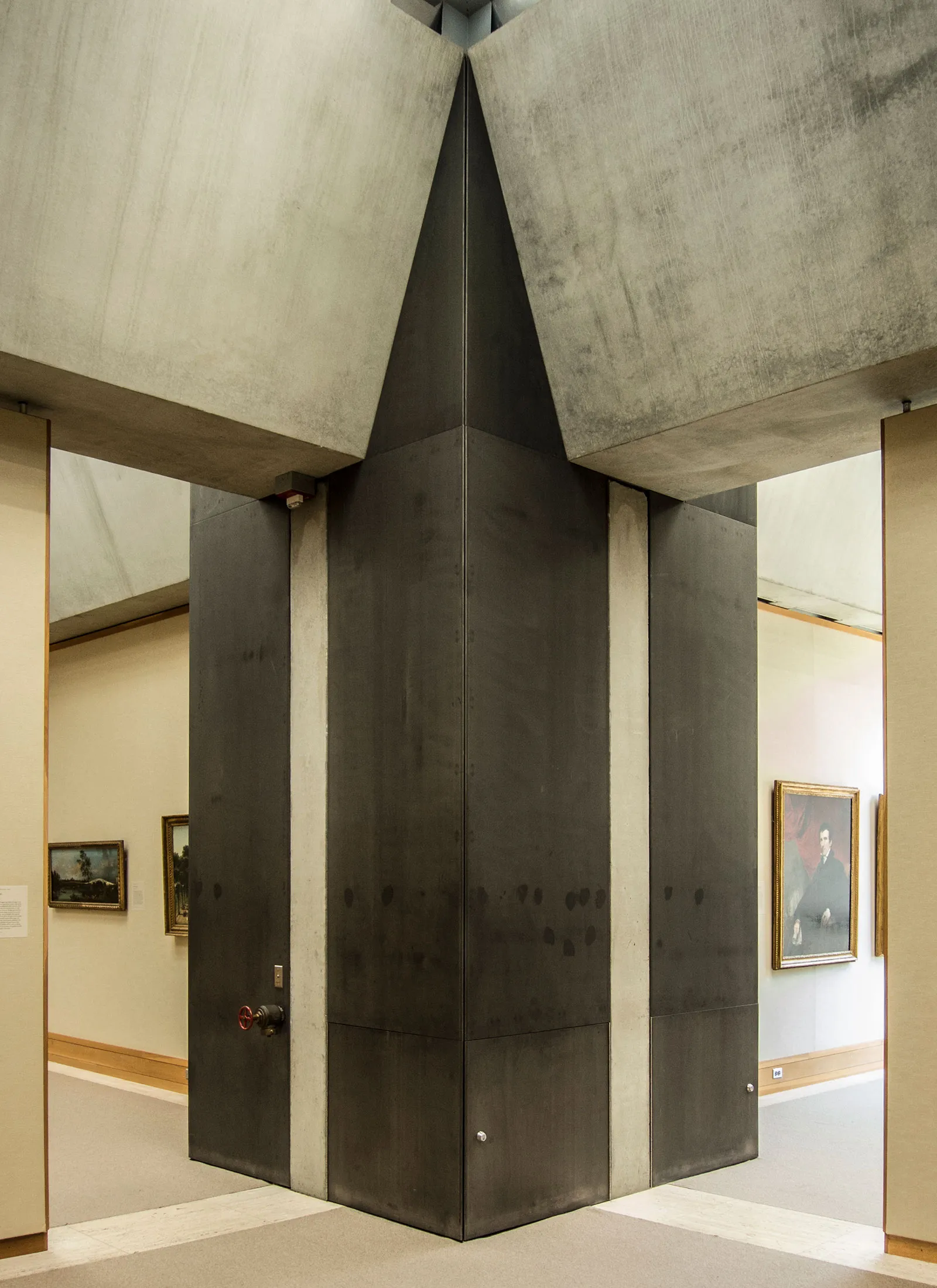
1/12
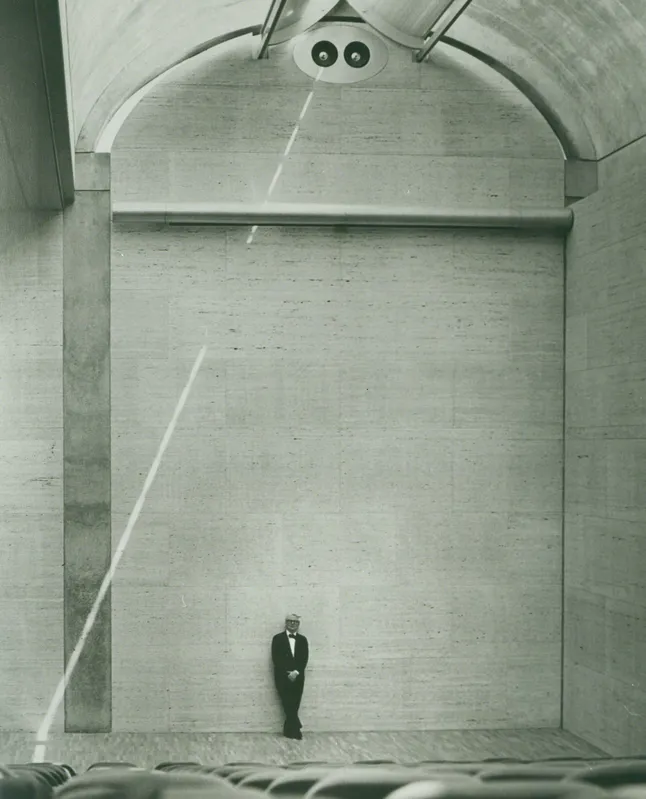
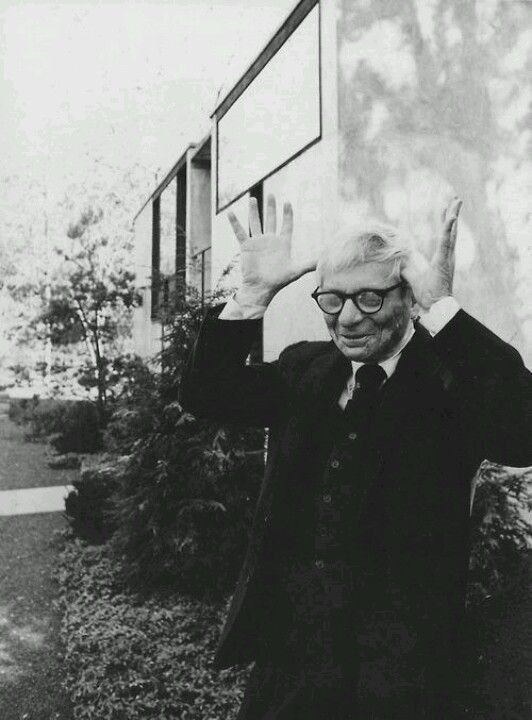
However, Louis Kahn’s relentless dedication to his architectural vision came at a significant personal cost—a story poignantly explored in the award-winning 2003 documentary My Architect, created by his son Nathaniel. His son whom he had never met. You would think that his prowess and indisputable portfolio would have led to financial success, but a myriad of difficulties prevented him from this luxury. His designs were known for their ambition and attention to detail, but this often led to construction delays and cost overruns on projects. It resulted in him taking chances on financially risky projects that would sometimes never materialize. This resulted in unpaid debts to contractors, suppliers, and even his own employees. All of it damaging his reputation in the architecture community.
1/2
Louis Kahn’s life, in many ways, reads like one of his own architectural blueprints—complex, full of hidden passages, and open to interpretation. His buildings stand as monuments to human aspiration, spaces where light and material converge to evoke something almost transcendent. Yet the man himself was a study in contradictions: a visionary who couldn’t manage his own finances, a family man with multiple families kept at arm’s length, an artist whose relentless pursuit of perfection often came at the expense of practicality and personal relationships. So we’re left to ponder: is the legacy of genius worth the collateral damage it so often leaves in its wake?
And maybe that’s the real lesson here: that the edifices we build, whether of stone or ambition, are only part of the story. The rest is lived in the shadows and light between them, in the spaces where human imperfection meets the striving for something more. Louis Kahn knew how to capture that interplay in his architecture. Perhaps it’s time we recognize it in his life as well.
And maybe that’s the real lesson here: that the edifices we build, whether of stone or ambition, are only part of the story. The rest is lived in the shadows and light between them, in the spaces where human imperfection meets the striving for something more. Louis Kahn knew how to capture that interplay in his architecture. Perhaps it’s time we recognize it in his life as well.